
£1 Deposit Casinos in the UK: Who Genuinely Takes a Pound
 Available in GB
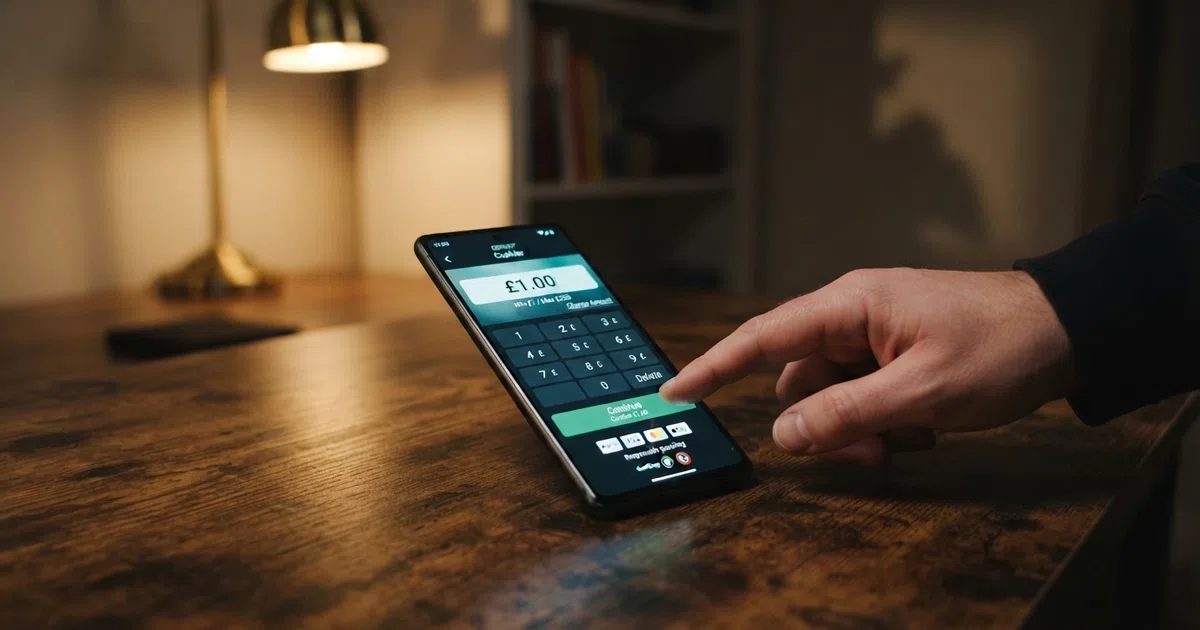
A pound at a UK online casino buys less than the marketing suggests, and considerably more than the sceptics admit. The headline number is genuine: three UK-licensed casinos do accept a £1 deposit at the cashier, and a fourth sits just above it at £5. What the headline hides is that the welcome bonus attached to that pound is almost always gated behind a far higher qualifying spend, the wagering terms can be punishing, and the stake cap that protects the player is the same one that limits how fast the pound disappears. This page maps all three: the operators that genuinely accept £1, the bonus mechanics that wait on the other side of the cashier, and the regulated framework that shapes what a single pound can and cannot do.
Data current as of 17 August 2026 and verified against the UK Gambling Commission’s public licence register.
What a £1 Minimum Deposit Casino Actually Delivers in 2026
The phrase “£1 minimum deposit casino” is used loosely in UK affiliate marketing, and the looseness is the first thing a reader needs to understand. Genuine £1 minimum deposit casinos are extremely rare in the UK market. Most operators citing the figure apply it only to specific prepaid vouchers or legacy e-wallets, not to mainstream debit cards. The honest picture: out of roughly a hundred UKGC-licensed casino brands, only three confirmed sites process a £1 deposit through the methods a typical player actually uses, and a fourth cluster sits one tier up at £5.
That scarcity is not an accident. A £1 deposit is, by any commercial measure, a thin transaction — too thin to cover the cost of onboarding, KYC checks, and payment processing for most operators. The brands that do accept it have built their entire proposition around the low entry point. PricedUp launched in September 2024 with a £1 minimum across every payment method. Lottoland accepts £1 on debit card, bank transfer and Apple Pay. Zodiac Casino ties 80 free spins on Mega Moolah to a £1 first deposit. Beyond these three, the next tier up — Ladbrokes and Coral at £5, the Flutter and Hillside brands at £10 — is where most of the UK market actually sits.
The gap between “advertised minimum” and “cashier minimum” is the single most common source of complaint from players who set out to deposit a pound. A homepage might say “from £1” while the deposit screen, after a player has registered and verified, demands £5 or £10. The reason is almost always payment-method variance: the casino’s *site-wide* minimum is £1, but the processor behind the chosen method — PayPal, a pay-by-phone carrier, certain prepaid vouchers — imposes its own floor of £5 or £10. A player who reaches the cashier without first checking the method-specific minimums can find the promised £1 simply does not exist on the rail they intended to use.
The distinction matters more than it sounds. A £1 deposit that only works on Paysafecard, with that method’s £2 or £3 minimum, is not a £1 deposit at all — it is a marketing claim. The three operators covered below all accept £1 on mainstream rails, and the gap between them and the rest of the market is wide enough that the page calls it out where the comparison table sits.
What “£1 Minimum Deposit” Actually Means at the Cashier
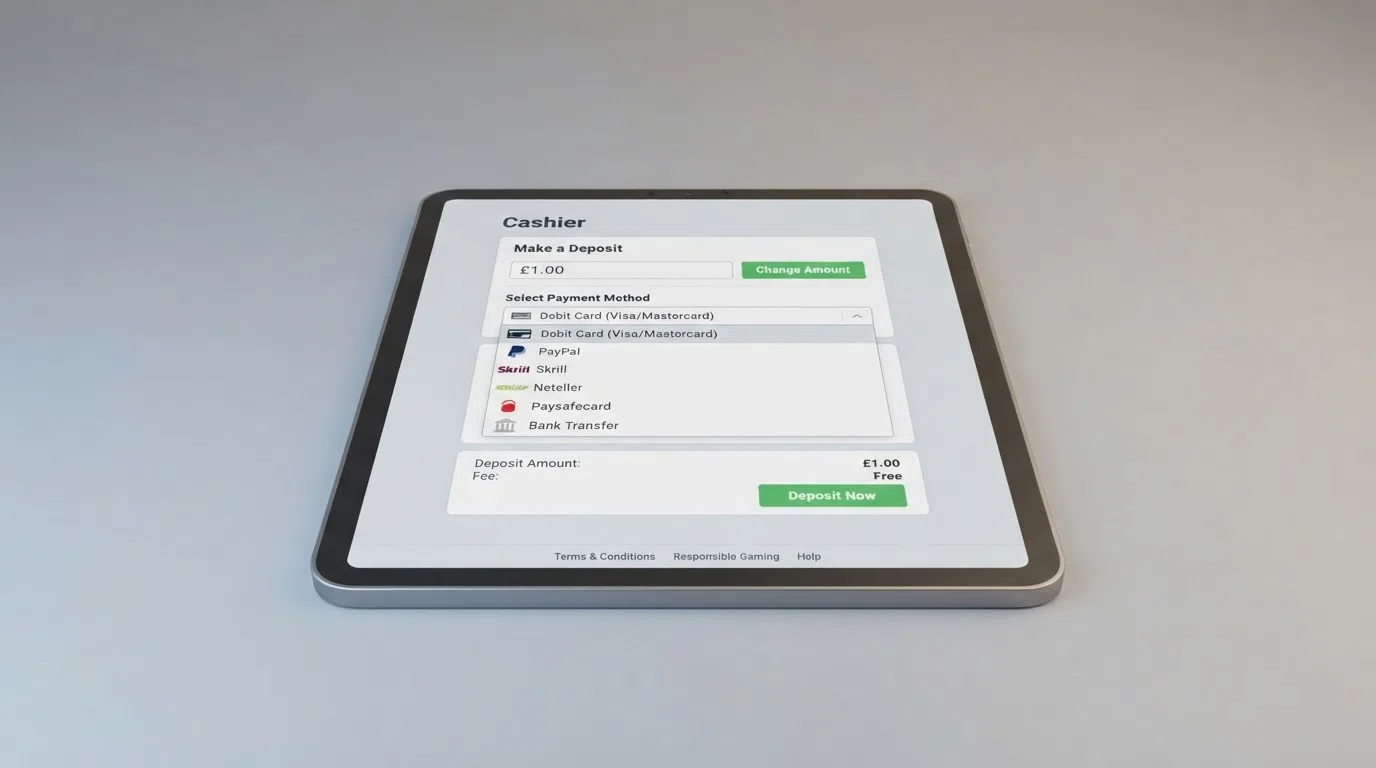
Every UK casino sets two numbers, and they are not the same. The *site-wide minimum* is the headline figure the operator puts on its homepage and promotional copy. The *method-specific minimum* is what the deposit screen actually accepts after a player has selected a payment rail. A casino advertising a £1 minimum deposit is almost always quoting the site-wide figure, and the player only learns the method-specific figure when the cashier loads.
Lottoland is the clearest example. The site-wide minimum is £1. On debit card, bank transfer and Apple Pay, that £1 is honoured. On Paysafecard, the minimum rises to £2. Neither is a problem in isolation — Paysafecard’s own voucher denominations drive that — but a player who intends to fund a £1 session with a Paysafecard voucher has, in practice, committed to depositing at least £2. The two-tier system is a fact of life in UK online gambling and not a sign that a casino is being deceptive. The deception, where it exists, is in claiming £1 on the homepage without saying which methods deliver it.
The three genuine-£1 operators in the featured set all confirm £1 on debit card, which is the rail most UK players use. That confirmation, not the headline figure, is the test of a real £1 minimum deposit casino.
How a Low-Deposit Casino Differs From a Standard One
A £1 deposit opens the same game library as a £100 deposit at any given UKGC-licensed casino. Game access does not change with deposit size. What changes is bonus eligibility, and the change is severe.
PricedUp accepts £1 across every method, but the welcome offer — 90 free spins on Big Bass Bonanza — only unlocks after a £30 wager. A player who deposits £1 and plays a single spin has not cleared the qualification. Zodiac is the lone exception: 80 free spins on Mega Moolah trigger directly on a £1 first deposit, with no higher qualifying spend. Every other featured operator sits at £5 (Ladbrokes, Coral) or £10 (Sky Vegas, Betfair, Paddy Power, Bet365, William Hill Vegas) for bonus eligibility, and Lottoland sits at £20.
Payment-method restrictions also tighten at the £1 level. Where a £10 player can usually pick from six or seven deposit rails, a £1 player is often limited to debit card, bank transfer and a small number of mobile-native options. The cashier’s method-specific minimums dictate which rails survive the drop to £1. Withdrawal minimums, by contrast, do not move with deposit size. The standard UK range is £10 to £20, regardless of whether the player deposited a pound or a hundred pounds — a £1 player who hits a win still has to clear that floor before any cash leaves the account.
Real-Money Play With a Pound: What That Session Looks Like
A £1 deposit is not a free spin or a demo balance. It is real-money gambling with real withdrawal rights, real wagering and real exposure to the house edge. The difference between a £1 deposit and a £1.00 promotional credit is the difference between a regulated transaction and a marketing gesture.
Two UK regulations shape what a £1 player can actually do. The first is the age-banded online slots stake cap: £5 per game cycle for players aged 25 and over, £2 per game cycle for players aged 18 to 24. Both came into force in 2025. The second is the 2.5-second spin-speed floor, also in force since 2021, which means each spin takes a minimum of two and a half seconds and auto-play is banned. For a player at the £2 cap, a £1 bankroll buys 0.5 spins — a single spin at the 18-24 stake cap followed by a session that has technically ended. For a 25-plus player at the £5 cap, the same £1 buys 0.2 spins, which is below one full game cycle and is not a real-money wager at all.
The practical entry point is therefore the minimum stake per spin on a specific slot, not the statutory cap. Most UK slots accept bets from 10p to 20p, so a £1 bankroll buys five to ten spins at the floor — a session of roughly 15 to 30 seconds of slot play at the 2.5-second spin rate, before considering any welcome bonus that converts bonus spins into extra game time. Auto-play is banned, so the player must press spin manually each time. The point of a £1 deposit is not a long session. It is a short, regulated test of the platform.
Before the first deposit goes through, the operator must now prompt the player to set a deposit limit — a rule in force from 31 October 2025. The prompt cannot be skipped. A player who sets a £1 daily limit and tries to deposit more the same day will be blocked. This is a meaningful change for low-deposit players: the deposit floor is no longer just the cashier’s minimum, it is also the limit the player has set for themselves.
The UK Casinos That Take Low Deposits — and the Three That Genuinely Accept £1
The featured set splits sharply. Three operators — PricedUp, Zodiac and Lottoland — accept a genuine £1 deposit on at least one mainstream payment method. The remaining seven sit at £5 (Ladbrokes, Coral) or £10 (Sky Vegas, Betfair, Paddy Power, Bet365, William Hill Vegas). The bonus terms diverge just as widely: one operator offers 80 free spins directly on a £1 deposit, one gates a 90-spin welcome behind a £30 wager, and one sets the welcome bonus at £20. Below the table sits the operator-by-operator detail.
| Casino | UKGC Licence | Min Deposit | Min Deposit for Bonus | Welcome Bonus | Wagering | Bonus Validity | Free Spin Value |
|---|---|---|---|---|---|---|---|
| PricedUp | 001776 (active) | £1 | £30 wager | 90 FS on Big Bass Bonanza | 10x (2x on winnings) | 30 days | 10p |
| Zodiac Casino | Not confirmed this run | £1 | £1 | 80 FS on Mega Moolah | 200x on winnings | — | £0.25 |
| Lottoland Casino | Active | £1 (debit, bank transfer, Apple Pay); £2 (Paysafecard) | £20 | 100 FS on Big Bass Bonanza | — | — | 10p |
| Bet365 Casino | 38721 (active) | £10 | £10 | Up to 500 FS over 10 days | 0x | 7d per day / 30d claim | Varies |
| William Hill Vegas | 2752 (active) | £5 | £10 | 200 FS on Big Bass Splash | 10x | 72h | 10p |
| Sky Vegas | Active (Flutter) | £10 | £10 | 50 FS no deposit + 200 FS on £10 | 0x | 7 days | 10p |
| Ladbrokes Casino | Active (Entain) | £5 | £10 | Play £10, get 100 FS | 0x | 48h accept / 7d use | £0.10 |
| Coral Casino | Active (Entain) | £5 (PayPal £10) | £5 | £10 bonus + 100 FS (play £5 on slots) | 10x on bonus | 14d accept / 30d bonus / 48h accept spins / 7d use spins | 10p |
| Betfair Casino | Active (Flutter) | £10 | £10 | 50 FS no deposit + 100 FS on £10 | — | 7 days | £0.10 |
| Paddy Power Games | Active (Flutter) | £10 | £10 | 60 FS no deposit + 200 FS on £10 | 0x | — | 10p |
The two columns that look the most generous on paper — the spin count and the headline wagering — are also the ones most likely to mislead. A 500-spin headline with 0x wagering is generous; a 200-spin headline at 10x wagering on a 72-hour clock is something else. The prose beneath each operator unpacks what the columns compress.
PricedUp — The £1 Deposit Casino Built for Low-Stakes Play
PricedUp launched in September 2024 on UKGC account 001776 and is the only operator in the featured set purpose-built around a £1 minimum. Every payment method clears a £1 deposit — no method-specific minimums sit above that floor — which is the exception, not the rule.
The welcome offer, however, is not £1-eligible. Wagering £30 unlocks 90 free spins on Big Bass Bonanza (Pragmatic Play), each valued at 10p. The wagering requirement is 10x on the bonus amount, but PricedUp structures it as 2x on free-spin winnings, which is materially cheaper than a flat 10x on the gross bonus. The 30-day validity window is the most generous in the set. Big Bass Bonanza carries a 96.71% RTP at high volatility with a 2,100x maximum win, which puts the bonus slot firmly in the Tier 1 category.
What this operator offers a player is a genuine pound entry point with a bonus that pays you back for committing more. For a player who intends to deposit £30 anyway, the 10p-per-spin Big Bass Bonanza welcome is one of the cleaner UK welcome packages at this deposit tier. For a player who set out to deposit exactly £1 and walk away, the bonus is irrelevant; the deposit still processes, the cashier still works, and the rest of the lobby is accessible without any minimum-deposit-for-bonus gate.
Zodiac Casino — 80 Mega Moolah Spins for a Pound, at a Price
Zodiac is the only operator in the featured set that attaches a bonus directly to a £1 first deposit. Eighty free spins on Mega Moolah trigger on a £1 deposit, with each spin valued at £0.25 for a total stated value of £20. The wagering requirement is 200x on free-spin winnings — a figure that dwarfs every other offer on the page.
Mega Moolah itself carries an 88.12% RTP at medium volatility, with a progressive jackpot as the headline prize. The 88.12% RTP is the trade-off for jackpot access: the game pays back less per spin than any other slot on the page, but the top prize runs into seven figures. The medium volatility means losses come in shorter, more frequent bursts than on a high-volatility slot like Big Bass Bonanza.
The 200x wagering is the issue. A player who lands a £1 win on the 80 spins has to wager £200 before any cash becomes withdrawable. A player who lands the full £20 in free-spin winnings faces £4,000 in qualifying wagers. UK-licensed operators are now capped at 10x the bonus amount under rules in force from 19 December 2025. Zodiac’s 200x figure predates the cap or sits outside the GB framework, and the UKGC licence status was not confirmed in the public register check this run. A player considering this offer is looking at terms that no longer reflect UK bonus norms.
The verdict: Zodiac is the only place in the UK market where a £1 deposit buys 80 jackpot-eligible spins. The wagering cost of converting those spins to cash is so high that the offer is, for most players, a one-shot experience rather than a route to a withdrawal.
Lottoland Casino — £1 Deposits Across Mainstream Methods, Bonus at £20
Lottoland is the cleanest example of method-specific minimums working in the player’s favour. The UKGC-licensed brand accepts £1 via debit card, bank transfer and Apple Pay. Paysafecard carries a £2 minimum, which is the only rail that misses the £1 floor.
The welcome offer is not £1-eligible. A £20 minimum deposit and wager unlocks 100 free spins on Big Bass Bonanza, each valued at 10p. Big Bass Bonanza’s 96.71% RTP and high volatility carry over from PricedUp’s bonus. Wagering terms and validity for the Lottoland welcome were not specified in the research reviewed for this page and the table reflects that gap honestly.
Lottoland is the best fit for a player who wants a genuine £1 deposit *and* a serious bonus path, but not on the same transaction. A pound buys the regulated session. Twenty pounds buys the welcome package. The two never merge.
Sky Vegas — 50 No-Deposit Spins and Zero Wagering
Sky Vegas, part of Flutter Entertainment on an active UKGC licence, splits its welcome into two parts. The first 50 free spins require no deposit at all. The next 200 free spins unlock on a £10 deposit and stake. Both batches carry 0x wagering on winnings and a 7-day validity window, with each spin valued at 10p.
The minimum deposit is £10, not £1. Sky Vegas does not appear in the genuine-£1 cluster — but it does offer one of the three genuinely no-deposit free-spin packages in the UK market, and a player who only intends to test a casino can do so with zero cash out of pocket. The 50 no-deposit spins are the cleanest entry into the Sky Vegas platform, the 200-spin deposit match is a separate decision a player makes after the first session.
For a player prioritising zero financial exposure on the first session, Sky Vegas is the strongest of the three no-deposit options. For a player who set out specifically to deposit a pound, the £10 floor makes it the wrong tool for the job.
Betfair Casino — 50 No-Deposit Spins With a £10 Top-Up Path
Betfair, also Flutter Entertainment on an active UKGC licence, mirrors Sky Vegas’s structure with 50 no-deposit free spins plus 100 additional spins after a £10 deposit and wager. The 100-spin top-up sits below Sky Vegas’s 200 and above most non-Flutter rivals. Spin value is £0.10 and the validity window is 7 days.
Wagering terms for the Betfair welcome were not specified in the research reviewed; given the Flutter group’s consistent 0x stance across Sky Vegas and Paddy Power, the absence is most likely 0x, but the page records the gap rather than filling it.
The verdict is the same as Sky Vegas, with a smaller second-stage offer. Betfair is a no-deposit entry point, not a £1-deposit entry point. The two are different propositions and a player looking for the latter is on the wrong page.
Paddy Power Games — 60 No-Deposit Spins, Zero Wagering on Everything
Paddy Power, the third Flutter brand in the featured set, leads on no-deposit volume. Sixty free spins require no deposit; a further 200 free spins unlock on a £10 deposit and wager. All spins carry 0x wagering. Spin value sits at 10p and the bonus validity window was not specified in research.
Paddy Power is the highest-count no-deposit offer in the set. The pattern across the three Flutter brands — Sky Vegas at 50, Betfair at 50, Paddy Power at 60 — is consistent 0x wagering on no-deposit spins, and the £10 deposit floor is the same on all three. The choice between them is brand preference and slot selection, not mechanics.
Bet365 Casino — Up to 500 Free Spins, No Wagering, £10 Entry
Bet365, on UKGC account 38721 (Hillside UK Gaming ENC), runs the highest-volume welcome in the featured set: up to 500 free spins distributed over 10 days after a £10 deposit, with 0x wagering on winnings. The catch is structural. The 500 spins are not delivered in one tranche — they are daily allocations of 5, 10, 20 or 50 spins depending on the selected game, with 7 days to use each day’s batch and 30 days to claim the full set.
The minimum deposit is £10. The 500-spin headline reads as generous; the daily-allocation structure means a player must log in for ten consecutive days to claim the full offer, and a missed day is a lost day. The wagering-free terms compensate, but only for the player who shows up.
William Hill Vegas — 200 Spins on Big Bass Splash, 10x Wagering
William Hill Vegas, on UKGC account 2752, offers 200 free spins on Big Bass Splash after a £10 deposit and wager. Big Bass Splash is the sister title to Big Bass Bonanza with the same 96.71% RTP, high volatility, and Pragmatic Play pedigree. Spin value is 10p and wagering is 10x.
The 72-hour validity window is the shortest in the set. A player who deposits on a Friday evening and does not return until Monday has lost the welcome package. For a player who can commit to a 72-hour session window, the 200 spins at 10x are competitive. For anyone who treats a welcome bonus as a background offer, the window kills the offer before the wagering starts.
Ladbrokes Casino — 100 No-Wagering Spins, £5 Deposit Floor
Ladbrokes, an Entain brand on an active UKGC licence, accepts a £5 minimum deposit — the lower of the two Entain tiers. The welcome offer is 100 free spins with 0x wagering on winnings, triggered by playing £10. The acceptance window is 48 hours; the use window is 7 days. Spin value is £0.10.
Ladbrokes is the cheapest entry into a zero-wagering welcome among the established brands. The 48-hour acceptance window is tight, the £10 qualifying play is higher than the £5 deposit floor, and the offer requires the player to play through £10 before the spins credit. A player depositing £5 and stopping at the cashier does not see the bonus.
Coral Casino — £10 Bonus Plus 100 Spins for a £5 Play-Through
Coral, the other Entain brand, runs the most layered welcome in the featured set. A £5 play on slots unlocks a £10 bonus plus 100 free spins. The £10 bonus carries 10x wagering; the free spins carry 0x. The acceptance windows split: 14 days to accept the bonus, 30 days to use it, 48 hours to accept the spins, 7 days to use them. The split is a small trap for players who read the headline as one window and discover four.
Coral is the only operator in the set offering a *cash* bonus alongside free spins, and at a £5 play-through trigger, it is the lowest buy-in for a cash-plus-spins welcome in the featured set. The 10x wagering on the £10 bonus means £100 in qualifying wagers, which is workable at minimum stake but still a commitment.
Why Most £1 Deposit Bonuses Deliver Less Than Their Headlines
A £1 deposit and a £1 deposit bonus are not the same thing, and almost every offer in the UK market today is the second one. Out of ten featured operators, only one — Zodiac — attaches a bonus to a £1 first deposit. Every other welcome requires a higher qualifying spend. The headline 80, 100, 200, 500-spin count is the marketing; the £10 to £30 trigger is the reality. Below the comparison sits the table that makes the gap visible.
| Bonus Mechanism | How It Works at £1 Deposit Casinos | Example Operator | Wagering | Validity | Free Spins Value per Spin |
|---|---|---|---|---|---|
| £1 → bonus directly | £1 deposit triggers free spins, no higher spend | Zodiac | 200x on winnings | — | £0.25 |
| £1 deposit, £X wager for bonus | £1 deposits cleanly, bonus requires higher wager | PricedUp | 10x (2x on winnings) | 30 days | 10p |
| No-deposit free spins | 50–60 free spins without depositing | Sky Vegas, Betfair, Paddy Power | 0x | 7 days | 10p |
| £5–£10 play for bonus | Deposit floor £5 or £10, bonus unlocks at threshold | Ladbrokes, Coral, William Hill, Bet365 | 0x–10x | 48h–30d | 10p |
| £20 deposit for bonus | Welcome offer requires a substantial qualifying deposit | Lottoland | — | — | 10p |
The pattern is clear: the lower the deposit floor, the more the bonus is walled off from the floor. A player who chose a casino because the homepage said “£1 deposit” and then discovered the welcome requires £20 has not been lied to, technically — the £1 deposit is real — but the gap between the marketing surface and the bonus surface is the single most common point of friction on this page’s subject.
“Deposit £1 and Claim Your Bonus” — When the Maths Doesn’t Add Up
The promise of a £1 deposit bonus survives in only one place in the featured set. Zodiac’s 80 Mega Moolah spins trigger directly on a £1 first deposit, no higher spend required. PricedUp accepts £1 across every method but requires a £30 wager before the 90 Big Bass Bonanza spins unlock. Lottoland accepts £1 on three methods but sets the welcome offer at a £20 minimum deposit. The remaining seven operators sit at £5 or £10 deposit floors before any welcome offer becomes available.
The gap is structural, not accidental. Welcome bonuses at UK-licensed casinos are designed to reward a player’s first significant deposit, not a player’s first symbolic deposit. The 10x wagering cap, in force from 19 December 2025, means operators can no longer offer 30x or 40x bonus terms to mask a low real cost — the cap forces them to set higher bonus amounts to deliver the same headline value, which in turn requires higher qualifying deposits. The £1 deposit casino and the £1 deposit bonus casino are, in 2026, two different propositions.
For a player choosing where to deposit a pound, the practical question is whether they intend to deposit more. If the answer is no, Zodiac is the only operator in the set where the £1 deposit itself produces a bonus. If the answer is yes, the choice is between PricedUp’s £30 wager trigger, Lottoland’s £20 deposit trigger, and the £10-trigger offers at Sky Vegas, Betfair, Paddy Power, Bet365, William Hill and Ladbrokes.
No-Deposit Free Spins: Three Operators That Genuinely Give Them
Three operators in the featured set — Sky Vegas, Betfair and Paddy Power — offer free spins with no deposit required. Sky Vegas gives 50, Betfair gives 50, and Paddy Power leads with 60. All three are Flutter Entertainment brands, all three carry active UKGC licences, and all three sit on a 0x wagering foundation for at least some of the spin value (Betfair’s full terms were not specified in research; the others are 0x across the board).
“No deposit” in the UK market does not mean “no verification”. Since 7 May 2019, every remote licensee has been required to verify a player’s name, address and date of birth before any deposit *or* any gambling. A player claiming 50 no-deposit free spins still has to complete full KYC, and the spins cannot be used until that verification clears. The honest reading of “no deposit” is therefore “no cash outlay” — not “no friction” — and the friction is mandatory under UK regulation.
For a player who wants to test a casino platform before committing a single pound, the no-deposit route is the only one that delivers exactly that. The catch is the small spin count — 50 to 60 is a session of two to three minutes of slot play at the 2.5-second spin floor, and any winnings from those spins may or may not be withdrawable depending on the operator’s specific terms. The 0x wagering on Sky Vegas and Paddy Power means winnings convert directly; the Betfair terms were not specified and the page does not infer them.
Wagering Requirements: What 10x Actually Costs in Real Money
The UK’s 10x bonus wagering cap, in force from 19 December 2025, is the tightest in Europe. Most UK welcome bonuses used to run 30 to 40 times the bonus amount — even the better ones sat at 10x. The cap has compressed the market: any welcome offer above 10x is now non-compliant with UKGC rules, and the only operator in the featured set carrying above-cap wagering is Zodiac, at 200x.
The cost of clearing a 10x bonus in real money is straightforward. A player who claims a £10 bonus with 10x wagering must place £100 in qualifying wagers before any bonus-derived winnings become withdrawable. On a slot at 96% RTP, the expected loss on £100 of wagering is £4 — the cost of clearing the bonus. PricedUp’s structure — 10x on the bonus amount but 2x on free-spin winnings — is materially cheaper, because the wagering applies to the winnings, not the gross bonus. A player who wins £5 from 90 free spins on Big Bass Bonanza at 96.71% RTP wagers £10 total, not £50.
The exception proves the rule. Zodiac’s 200x wagering on winnings, applied to a £20 total free-spin value, means a player who lands the full £20 in wagers must place £4,000 in qualifying wagers before any cash becomes withdrawable. At 88.12% RTP, the expected loss on that turnover is £479. The offer is, in expected-value terms, the most expensive in the set. The fact that it sits on a £1 deposit does not make it cheaper — it makes the cost-to-deposit ratio the highest of any operator covered.
Depositing a Pound: The Methods That Work and Those That Don’t
Not every payment rail clears a £1 deposit, and the rail that works at one casino may fail at another. Lottoland accepts £1 on debit card, bank transfer and Apple Pay; Paysafecard carries a £2 minimum. Coral accepts £5 on every method except PayPal, which requires £10. PricedUp’s £1 minimum applies across every method, which is the exception rather than the rule. The pattern is consistent: the casino’s site-wide minimum is the headline, and the method-specific minimums do the work.
Three forces shape what clears at the £1 mark. The first is the casino’s own account-level policy. The second is the payment processor’s transaction floor, which is independent of the casino and varies by method. The third is the UK regulation that has banned credit cards for gambling since 14 April 2020 — a rule that, by extension, also blocks credit-card-funded e-wallet deposits, so a PayPal account funded from a credit card cannot be used to deposit at any UK casino.
Withdrawal minimums do not move with deposit size. The standard UK range is £10 to £20, regardless of the deposit floor. A £1 player who lands a win still has to clear that floor before any cash leaves the account, and identity verification is mandatory before the first withdrawal under the same UKGC rule that governs the first deposit.
Debit Cards: The Reliable £1 Deposit Workhorse
Debit cards are the only payment method that consistently processes £1 deposits across the featured set. PricedUp confirms £1 on debit card alongside every other method. Lottoland confirms £1 on debit card, bank transfer and Apple Pay, with Paysafecard as the only method-specific deviation. Zodiac’s £1 first deposit triggers on debit card.
The reason is structural. Debit card transaction minimums are set by the card network and the acquiring bank, not by the payment processor, and Visa and Mastercard’s network-level minimums are well below £1 for most merchant categories. A UK casino processing a £1 debit-card deposit is paying processing fees that are likely to exceed the deposit amount, which is why most operators do not do it — but the three genuine-£1 operators in the set accept the loss as the cost of customer acquisition.
The credit-card ban, in force since 14 April 2020, has not changed the debit-card experience. A player using a Visa Debit or Mastercard Debit card faces no additional friction at the £1 mark. A player attempting to use a credit card — or a credit-card-funded PayPal or other e-wallet — is blocked at the cashier regardless of deposit size.
Why PayPal Often Fails at the £1 Mark
PayPal’s own merchant minimums typically sit at £5 to £10, and that floor is set at the payment-processor level, not the casino level. A UK casino advertising a £1 minimum deposit via PayPal is almost always quoting the site-wide minimum without the processor-level constraint, and the cashier will demand £5 or £10 once PayPal is selected as the deposit method.
The two-tier gate is the reason. The casino sets its account-level policy. PayPal, acting as the merchant of record for the deposit, applies its own transaction floor. Where the two numbers diverge, the higher one wins. The featured set’s operators do not uniformly list PayPal in their cashier minimums because the cashier minimums vary by operator — Coral sets PayPal at £10, the others either do not list PayPal or carry different numbers — and the page records the absence rather than inferring figures research did not carry.
A player who prefers PayPal as a deposit method has a workable workaround: fund the PayPal account from a debit card and deposit from the e-wallet balance. The deposit is then a debit-funded e-wallet transaction, not a credit-funded one, and is not caught by the 14 April 2020 credit-card ban. The casino’s cashier minimum still applies at the second tier, though, and PayPal’s processor-level minimum will still likely force the deposit to £5 or above.
Pay-by-Phone, Apple Pay and E-Wallets: What Works at £1
Apple Pay is the clearest win at the £1 mark. Lottoland confirms £1 via Apple Pay alongside debit card and bank transfer. Apple Pay’s transaction minimums are set by the card network behind the wallet, which means a Visa Debit or Mastercard Debit in Apple Pay carries the same floor as the underlying card — and a £1 deposit clears.
Paysafecard sits at £2 at Lottoland, which is a near-miss. The Paysafecard voucher denominations drive the floor: the lowest available voucher is typically £5 or £10, and the merchant minimum is usually at the £2 mark. No featured operator confirmed a £1 Paysafecard deposit, and the page records that absence as a fact.
Pay-by-phone and Boku deposits, which add the deposit to the player’s mobile bill or deduct it from prepay credit, are typically constrained by carrier-imposed minimums of £3 to £5. The mechanism is mobile-only and works well for casual players, but the £1 floor is rarely met at the carrier level. No featured operator confirmed accepting a £1 Boku or pay-by-phone deposit, and the page does not infer one.
Withdrawing Winnings From a £1 Deposit: Minimums, Speed and Reality
Withdrawal minimums at UK casinos typically run £10 to £20, regardless of the deposit size. A £1 player who lands a win of, say, £3 from free spins cannot withdraw that £3 — the cashier will not process a withdrawal below the operator’s minimum, and the player has to either accumulate more winnings or accept that the £3 stays in the account as bonus balance.
The standard payout speed by method is 1 to 3 banking days for debit-card withdrawals, with e-wallet withdrawals typically clearing within 24 hours once verification is complete. Identity verification is mandatory before the first withdrawal under the same UKGC rule that governs the first deposit. A player who has not completed KYC at deposit time will be asked to complete it at withdrawal time, and the withdrawal does not process until verification clears.
The practical reality for a £1 player: a single win on a 10p-per-spin slot at 96.71% RTP averages £0.097 in expected value, and the standard deviation is high enough that most sessions end with zero. A player who hits a £5 win has cleared the lower end of the withdrawal range at some operators but not others. The £1 deposit casino is not a route to a withdrawal for most players; it is a route to a regulated session with a small chance of clearing the withdrawal floor.
£1 Deposit Casinos on Mobile: What the Small Screen Changes
The deposit floor does not change on mobile. A £1 minimum at a UKGC-licensed casino is set at the account level and applies identically whether the player is on a desktop browser, a mobile browser or a dedicated app. What changes is the payment rail mix — pay-by-phone is mobile-only, Apple Pay is mobile-native, and the mobile cashier is where pay-by-phone and carrier-billed deposits become options that do not exist on desktop.
The game grid is the same. The stake caps apply equally on mobile: £5 per spin for 25-plus, £2 for 18 to 24, no matter the device. The 2.5-second spin-speed floor is platform-agnostic. Auto-play is banned everywhere. A player who loads a UK slot on a 6-inch screen is playing the same regulated product as a player on a 27-inch monitor, with the same RTP, the same volatility, the same maximum win.
Pay-by-Phone Deposits: The Mobile-Only Option at £1 Casinos
Pay-by-phone billing — Boku and similar carrier-billed services — is uniquely mobile. The mechanism is straightforward: the player enters a mobile number, the deposit is added to the monthly phone bill or deducted from prepay credit, and no bank account or card is involved at the deposit step. The friction is appealing for players who prefer not to share card details with a casino, and the deposit is, in most cases, processed within seconds.
The catch is the floor. Carrier-imposed minimums typically run £3 to £5, which is above the £1 mark at every featured operator. No featured operator confirmed a £1 Boku or pay-by-phone deposit at the time of review, and the mechanism’s appeal as a £1-deposit rail is therefore theoretical rather than practical. A player who wants to deposit via mobile bill accepts a £3 to £5 floor in exchange for the convenience.
The credit-card ban does not apply to pay-by-phone. The deposit is billed to the mobile carrier and settled through the phone contract, not through a card. The mechanism is outside the 14 April 2020 prohibition, and carriers have their own transaction policies that govern the deposit.
What You Can Actually Spin on a £1 Stake
A £1 deposit opens the same slot lobby as a £100 one. The stake caps, the RTP spread and the game-speed rules shape the session, but the catalog does not. The featured set’s bonus-linked slots — Big Bass Bonanza at PricedUp and Lottoland, Mega Moolah at Zodiac, Big Bass Splash at William Hill Vegas — represent a small slice of the broader UK slot market, and the RTP and volatility data below applies specifically to those titles.
| Slot Title | RTP | Provider | Volatility | Max Win |
|---|---|---|---|---|
| Big Bass Bonanza | 96.71% | Pragmatic Play | High | 2,100x |
| Mega Moolah | 88.12% | Microgaming | Medium | Progressive jackpot |
| Big Bass Splash | 96.71% | Pragmatic Play | High | 2,100x |
The pattern is two Pragmatic Play fishing-themed slots at 96.71% RTP and high volatility, and one Microgaming progressive jackpot at 88.12% RTP and medium volatility. The lower RTP on Mega Moolah is the trade-off for the seven-figure top prize. The other two share RTP, provider and volatility because they are sister titles from the same studio.
The statutory stake cap interacts with the minimum-stake reality in a way that is easy to miss. A player aged 18 to 24 is capped at £2 per spin, and a £1 deposit is below one full game cycle at that cap. A player aged 25 and over is capped at £5 per spin, and a £1 deposit is well below one game cycle there. The statutory cap is not the binding constraint; the slot’s own minimum-stake-per-spin is. Most UK slots accept bets from 10p to 20p, so a £1 deposit buys 5 to 10 spins at the floor — a session of 12.5 to 25 seconds of slot play at the 2.5-second spin rate, before any welcome bonus extends the runway.
Slot Titles With a Genuine Penny-Stake Entry Point
Three bonus-linked slots dominate the featured set, and each has a different minimum-stake entry point. Big Bass Bonanza, linked to PricedUp’s and Lottoland’s welcome offers, accepts bets from 10p per spin. Big Bass Splash, linked to William Hill Vegas’s 200-spin welcome, also accepts 10p per spin. Mega Moolah, linked to Zodiac’s 80-spin welcome, accepts £0.25 per spin — a higher floor driven by the progressive-jackpot structure.
A £1 deposit at 10p per spin buys ten spins on Big Bass Bonanza or Big Bass Splash — a session of 25 seconds at the 2.5-second spin floor, with the auto-play ban forcing manual play throughout. A £1 deposit at £0.25 per spin on Mega Moolah buys four spins — a session of 10 seconds, again with manual play only. The bonus-linked slots are not designed for extended pound-only play; the welcome packages exist to extend the runway with bonus spins, and the bonus spins are how a £1 player experiences anything close to a full session.
The age-banded stake cap shapes the upper end of the session. An 18-to-24 player who funds the £1 deposit with their own money and plays at the £2 maximum will see their pound vanish in two spins, and the session is functionally over before it starts. A 25-plus player at the £5 maximum sees the same, with the session ending in one spin. The practical entry point is the slot’s minimum stake, not the statutory cap.
RTP and Volatility: What Changes at Minimum Stake
RTP is fixed per title regardless of stake. Big Bass Bonanza pays back 96.71% on every spin, from 10p to the £2 or £5 cap. Mega Moolah pays back 88.12% on every spin, from £0.25 upward. The percentage does not change with the bet size, and a £1 session at minimum stake sees the same expected return as a £100 session at maximum stake.
What changes with the bankroll is how the volatility is *experienced*. Big Bass Bonanza’s high volatility means long losing runs punctuated by occasional larger wins. On a £100 bankroll, the losing runs are absorbable; on a £1 bankroll, a losing run is the entire session. A player who deposits a pound, plays ten spins at 10p on Big Bass Bonanza, and hits no wins has experienced a high-volatility title in its purest form — the same title a £100 player experiences, but with no margin to ride out the dry spells.
Mega Moolah’s medium volatility compresses the experience differently. The losing runs are shorter and the wins more frequent, but the 88.12% RTP means the player loses more per spin on average. The progressive jackpot is the offsetting prize, and the chance of triggering it on any given spin is small enough that a £1 player is, in practical terms, buying a brief session on a lower-RTP game.
The 2.5-second spin floor and the auto-play ban are built-in harm-reduction mechanics that protect a small balance. Auto-play would let a £1 player burn through their bankroll in seconds without conscious decisions. The 2.5-second floor forces a minimum gap between spins, which gives the player a moment to stop. Neither rule changes the math; both change the pace.
Beyond Slots: Table Games and Live Casino at £1 Deposits
The UK slots stake cap is the most distinctive protection in the British model, and it applies only to online slots. Table games — roulette, blackjack, baccarat — and live-dealer casino carry no statutory stake cap, and the same is true of online bingo and sports betting. A player at a £1 deposit casino can walk from a slots game into a live-dealer roulette table and stake the full pound on a single spin, no cap, no age-banded limit.
Live-dealer minimums are set by the table, not the regulator. Most live roulette tables accept bets from £0.10 to £1 per round. Most live blackjack tables start at £1 per hand, with some accepting £0.50. The £1 deposit can fund exactly one blackjack hand at a £1-minimum table, or ten rounds at a 10p-minimum roulette table, before the session is over. The absence of a stake cap means a £1 player can lose the entire deposit in a single decision.
Auto-play and spin-speed rules are slots-specific. Table games and live casino do not face the 2.5-second cycle floor, and the manual-decision rhythm of table play is its own pace. A £1 player who moves from a high-volatility slot to a live blackjack table trades the slot’s RTP and volatility for the table’s house edge — typically 0.5% to 1% on blackjack with basic strategy, far lower than any slot — but also trades the built-in slot protections for nothing in their place. The session length on a table game is shorter, not longer, because the minimum bet per round is higher than the slot minimum.
New £1 Deposit Casinos in 2026: Worth the Risk or Stick With the Known?
New £1 deposit casino launches are scarce. PricedUp, which launched in September 2024, is the newest of the three genuine-£1 operators in the featured set, and the next genuine-£1 launch on the research horizon was not identified. The other seven operators in the set are established multi-decade UK brands: Bet365, William Hill, Ladbrokes, Coral, Paddy Power, Sky Vegas and Betfair. Newness in the £1 deposit segment is a one-operator story.
The trade-off is the standard one. A new casino brings a modern platform, a fresh welcome offer, and the appeal of a clean operating history. It also brings a short track record. An established brand brings decades of payout history, complaint-resolution data and operational stability. The regulatory safety net is the same in both cases — the UKGC licence is binary, and a 2024 launch and a 1934 bookmaker-turned-casino both face the same stake caps, wagering caps and deposit-limit prompts.
What to Verify Before Joining a New Low-Deposit Casino
A five-point check covers the basics before committing a deposit to any UK casino, new or established. The checks are drawn from the UKGC licensing framework and apply uniformly to every operator on this page.
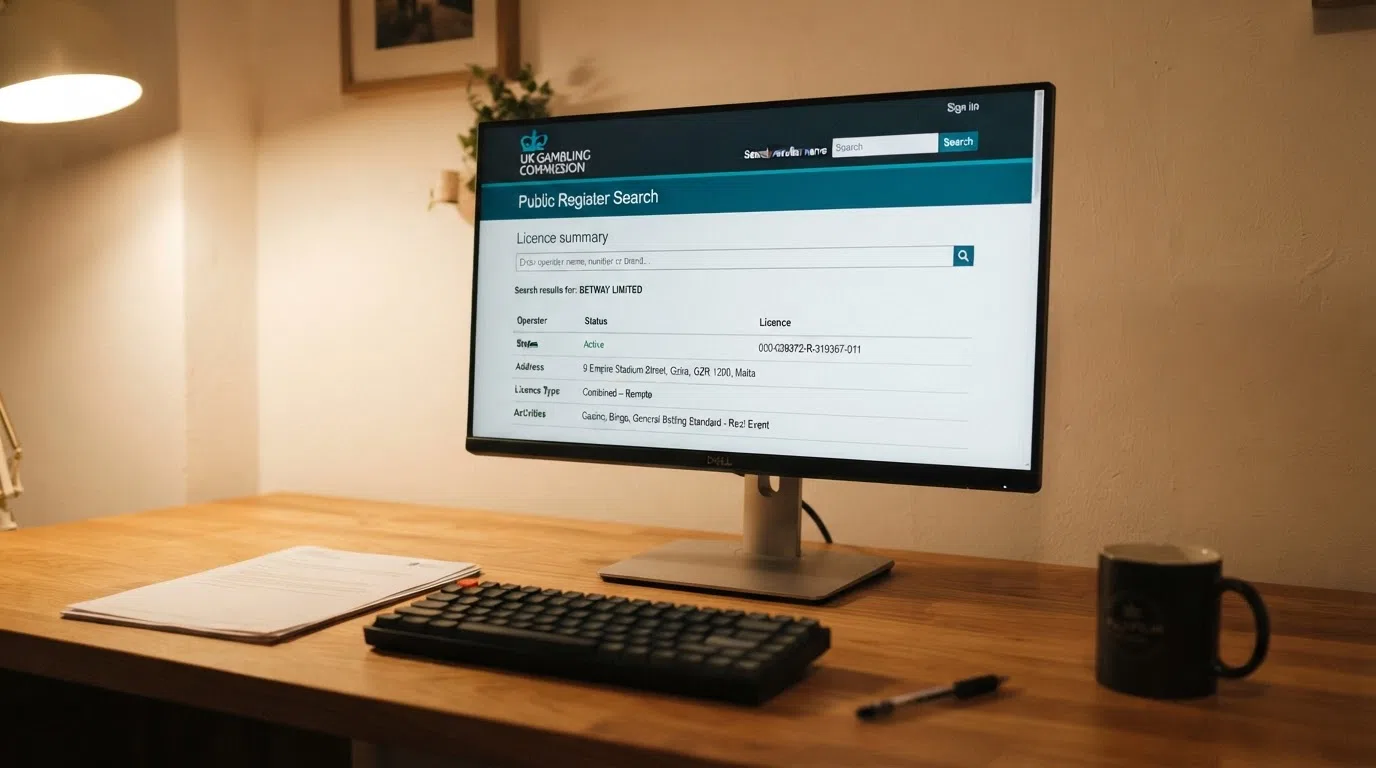
- Confirm the UKGC licence number on the public register at gamblingcommission.gov.uk/public-register. The licence number is a unique identifier — PricedUp’s is 001776, Bet365’s is 38721, William Hill’s is 2752. The register entry should show the licence as active and the operator name as the trading entity.
- Check that the £1 minimum deposit applies to the player’s preferred payment method at the cashier, not just on the homepage. A £1 headline with a £10 PayPal minimum at the cashier is not a £1 deposit for a PayPal user.
- Read the bonus terms in full — wagering multiple, validity window, minimum deposit for bonus, and any game restrictions. The 10x wagering cap is the ceiling for UK-licensed operators, and anything above that is a sign the offer predates the cap or sits outside the GB framework.
- Confirm Gamstop participation. Every GB-licensed operator must be on Gamstop, and the public register entry confirms this. A casino that is not on Gamstop is, by definition, not GB-licensed.
- Check the ADR (Alternative Dispute Resolution) provider. Every UKGC licensee must offer an ADR route for unresolved complaints, and the provider name should be visible in the operator’s terms.
New vs Established: What You Trade for Freshness
PricedUp, the 2024 entrant, is the case study. The platform is modern, the terms are transparent, the welcome offer is competitive within the £30-wager tier, and the licence is active on the public register. What PricedUp cannot offer is a multi-year track record of payouts, complaint volumes and platform stability. A player who joins PricedUp accepts the trade: modern design and clean terms in exchange for a shorter operating history.
The established operators — Bet365, William Hill, Ladbrokes, Coral, Paddy Power, Sky Vegas, Betfair — sit on the other side of the same trade. Decades of UK operations, public complaint data, established payout processes and brand recognition. The welcome offers are competitive within the £10-deposit tier but the deposit floor is higher, and the £1 entry point is not the proposition.
The regulatory safety net is the same. The UKGC licence binds both new and established operators to the same stake caps, wagering caps, deposit-limit prompts and Gamstop participation. A 2024 launch and a 1934 bookmaker are equally accountable to the Commission. A player choosing between them is choosing brand fit, not regulatory exposure.
Is a £1 Deposit Casino Legal and Safe in the UK?
Yes — provided the operator holds a UK Gambling Commission licence. Without one, the £1 deposit is the least of a player’s concerns. The UKGC framework is the regulatory backbone that turns a £1 deposit from a transaction into a protected activity, and the framework is specific about what a licensed operator must do and what an unlicensed one does not have to.
The framework rests on the Gambling Act 2005, extended to remote operators by the Gambling (Licensing and Advertising) Act 2014, which made a GB licence compulsory at the point of consumption. Any casino accepting UK players must hold a UKGC licence, regardless of where the operator is incorporated. Section 33 of the Gambling Act 2005 makes unlicensed provision a criminal offence for the operator, carrying up to 51 weeks’ imprisonment and an unlimited fine. The penalty is on the operator, not the player — no player has been traced to a penalty for gambling on an unlicensed site — but the protections a player loses by going offshore are specific and severe.
Gamstop self-exclusion is mandatory for every GB-licensed online operator since 31 March 2020. An excluded player on a licensed site is blocked at the cashier. An excluded player on an unlicensed site is not. The UKGC uses disruption powers — cease-and-desist orders, search-engine referrals, domain suspensions — but does not currently hold ISP-level blocking powers, which have been proposed but not enacted. The honest position is that a player choosing an unlicensed site is choosing to leave the GB regulatory framework, and the framework’s protections stop at that boundary.
UKGC Licensing: What It Requires From a £1 Deposit Casino
A UKGC licence is not a rubber stamp. It imposes specific obligations on every licensed operator, and those obligations shape the entire £1 deposit experience. The three licensing objectives under Section 1 of the Gambling Act 2005 are preventing crime, ensuring fairness and protecting children and vulnerable persons. The day-to-day rules that flow from those objectives are where the £1 player feels the framework.
The age-banded online slots stake cap is the most distinctive UK protection. Players aged 25 and over face a £5 maximum per game cycle, in force from 9 April 2025. Players aged 18 to 24 face a £2 maximum, in force from 21 May 2025. Two adults at the same casino can face different maximum bets on the same slot, and the lower cap for younger players is the regulatory acknowledgement that early-adult gambling carries elevated harm risk. The cap applies only to online slots — table games, live casino, bingo and sports betting carry no statutory cap.
The mandatory deposit-limit prompt, in force from 31 October 2025, requires the operator to prompt every new customer to set a financial limit before the first deposit. A player who tries to skip the prompt cannot reach the cashier. Decreases to an existing limit must be actioned immediately; increases can carry a cooling-off period. From 30 September 2026, only a gross deposit limit (based on money paid in, not net of withdrawals) may be called a “deposit limit” under RTS 12B.
The 10x bonus wagering cap, in force from 19 December 2025, limits wagering requirements on casino bonuses to 10x the bonus amount under LCCP Social Responsibility Code 5.1.1. Mixed-product promotional offers are banned: a bonus cannot be conditioned on the customer playing a different product type. The combination of these two rules means the days of 30x or 40x wagering with a free-sports-bet sweetener are over for UK-licensed casinos.
Financial vulnerability checks, in force from 28 February 2025, are mandatory at a £150 net deposit threshold in a rolling 30-day period. The check uses publicly available data only — county court judgments, individual voluntary arrangements, bankruptcy orders — and is not a credit check. A player depositing £150 in a 30-day window at a UK casino is checked against public records for markers of financial distress, and the operator is required to act on the results.
Gamstop and Self-Exclusion: What Coverage You Actually Get
Gamstop registration is free, online and covers every GB-licensed casino and betting site in one step. A player who registers with Gamstop is excluded from every UK-licensed gambling site for the chosen period: six months, one year, five years, or five years with auto-renewal. The exclusion cannot be cancelled early. If the player does not contact Gamstop after the minimum period, the exclusion continues for up to seven further years.
The four exclusion periods serve different recovery stages. The six-month option is a short break, typically used after a difficult session. The one-year option is a serious commitment. The five-year option reflects a longer recovery horizon. The five-year auto-renewal option removes the re-entry decision entirely, which is the safest choice for a player who recognises that the decision to return is itself a vulnerable moment.
An excluded player on a licensed site is blocked at the cashier and at the registration step. An excluded player on an unlicensed site is not blocked anywhere, because the unlicensed site is not part of the Gamstop scheme. The exclusion is a UK regulatory tool, not a global one. A player who has registered with Gamstop and then seeks out an offshore casino has not defeated the exclusion — they have moved outside the framework that created it.
The “Not on Gamstop” Reality: Unlicensed Operators in Plain Terms
A casino not on Gamstop is, by definition, not GB-licensed. Every UKGC licensee must participate in Gamstop, and the public register confirms participation. The phrase “not on Gamstop” is therefore a synonym for “unlicensed” in the UK market, and the protections a player forfeits by using one are specific.
No Gamstop coverage means an excluded player can still deposit and play. No UKGC complaints route means a dispute over a withdrawal or a bonus term has no Commission-mediated resolution. No ADR means no independent dispute-resolution body. No British consumer redress means no recourse under UK consumer law. The player is, in practical terms, gambling on the operator’s own terms, in the operator’s own jurisdiction, with the operator’s own dispute process as the only avenue for complaint.
Section 33 of the Gambling Act 2005 makes the unlicensed provision a criminal offence for the operator. The penalty is up to 51 weeks’ imprisonment and an unlimited fine, and the UKGC pursues enforcement through cease-and-desist orders, search-engine referrals and domain suspensions. The Commission does not currently hold ISP-level blocking powers, which have been proposed but not enacted in UK law. A player using an unlicensed site is not committing a criminal offence, but is also not protected by the framework that would address a criminal act by the operator.
The honest recommendation is to stay within the GB-licensed market. Every operator on this page holds an active UKGC licence or sits within a group whose licence has been confirmed via the public register. The £1 deposit casino market in the UK is small enough that a player who chooses to leave it for an unlicensed site is choosing to leave the regulatory framework that makes the £1 deposit a protected activity.
Playing Safely When the Deposit Is Already Low
A £1 deposit is already a form of limit-setting. The cashier’s minimum is the floor, and the deposit-limit prompt turns that floor into a player-set ceiling. The UK’s mandatory safer-gambling tools add layers that a pound-only player should still use, because the harm-reduction architecture is not a luxury reserved for high-stakes players — it is the baseline for everyone, at any deposit level.
The National Gambling Helpline — 0808 8020 133, free, 24/7, run by GamCare — is the front line. The helpline made 996 referrals to treatment in January 2026, up 48% year-on-year. The National Gambling Support Network treated 11,960 clients in 2024/25, an 11% increase on the prior year. The NHS Adult Psychiatric Morbidity Survey 2023-24 identified 0.4% of adults in England as problem gamblers (PGSI 8+) and 1.6% as at moderate risk (PGSI 3+). The data is not abstract — the treatment infrastructure is under real strain, and the prevalence figures explain why.
The Safer-Gambling Tools Every UKGC Casino Must Give You — at Any Deposit Level
The tools are mandatory, not opt-in. They work identically whether the player deposits £1 or £1,000, and the operator cannot disable them.
- The deposit-limit prompt, mandatory from 31 October 2025, appears before the first deposit and any subsequent deposit the operator has not previously prompted for. The limit is player-set, and the operator must action any decrease immediately.
- Reality checks during a slot session display net position (wins minus losses) and time played. The checks interrupt play at set intervals and cannot be permanently disabled.
- Time-outs (24 hours to six weeks) and self-exclusion (six months to five years) are operator-level tools. Gamstop is the multi-operator version, covering every GB-licensed site in one registration.
- The 2.5-second spin-speed floor and the auto-play ban are built-in harm-reduction mechanics on slots. They do not require the player to set anything; they are the default.
- Display of total losses, total wins and time played during a slots session is mandatory, and the player can review the session history at any time.
Where to Get Help: Numbers, Services and What the Data Shows
The National Gambling Helpline (0808 8020 133, free, 24/7, GamCare-run) is the primary point of contact for anyone concerned about their own or someone else’s gambling. The helpline is available by call, live chat and WhatsApp, and made 996 referrals to treatment in January 2026 — a 48% increase on the same month the prior year. The year-on-year rise is the clearest signal that the treatment infrastructure is absorbing more demand, not that more people are gambling.
The National Gambling Support Network, funded by GambleAware, treated 11,960 clients in 2024/25, an 11% increase on 2023/24. The network operates across England, Scotland and Wales and provides free, confidential treatment ranging from brief interventions to structured cognitive-behavioural therapy. NHS gambling harm clinics operate in all three nations and accept self-referrals as well as professional referrals.
Gamblers Anonymous UK runs peer-support meetings across the country, both in-person and online. GamCare offers one-to-one counselling, group programmes and a lived-experience network for people in recovery. The prevalence data from the NHS Adult Psychiatric Morbidity Survey 2023-24 — 0.4% problem gambling, 1.6% at moderate risk — sits behind every regulatory rule described on this page. The rules exist because the data shows the population-level risk is real, and the treatment infrastructure exists because the rules are not sufficient on their own.
How We Evaluated These £1 Deposit Casinos
The evaluation basis for the operators on this page is the UK Gambling Commission’s public licence register, cross-referenced against operator sites and multiple affiliate databases. Every operator was checked for active licence status before inclusion, and the licence number or parent-group confirmation is recorded in the comparison table. Where research could not confirm a specific data point — Zodiac’s UKGC licence status, Lottoland’s bonus wagering, Coral’s PayPal minimum — the page records the absence rather than filling it.
The ranking criteria are threefold. First, genuine £1 deposit acceptance on at least one mainstream payment method, which separates the three genuine-£1 operators from the seven that sit at £5 or £10. Second, bonus fairness measured against the 10x UK wagering cap, which separates the 0x and 10x offers from Zodiac’s 200x. Third, validity windows and minimum-deposit-for-bonus thresholds, which separate the 72-hour offers from the 30-day ones.
The sources used were the UKGC public register, operator terms and conditions pages, Gamstop participation records, and multiple affiliate databases including Squawka, Bojoko, CasinoHawks, BonusFinder and Compare.bet. User reviews and promotional copy taken at face value were excluded. The cross-referencing process identified PricedUp, Lottoland and Zodiac as the three genuine-£1 operators, with the rest of the set positioned as the low-deposit context in which a £1 player operates.
What a Pound Actually Buys at a UK Online Casino in 2026
A pound at a UK online casino buys access to a regulated market, a short session and a genuine chance to win. It does not buy a welcome bonus at eight of the ten featured operators. Where it does — at Zodiac — the wagering cost is high enough that the offer is a one-shot experience rather than a route to a withdrawal. A £1 deposit is, in the most honest reading, a low-risk way to test a licensed casino’s platform and cashier, not a route to building a bankroll.
The session lasts longer than most players expect. The £2 and £5 age-banded stake caps, combined with the 2.5-second spin floor and the auto-play ban, stretch a £1 bankroll across five to ten spins at the minimum-stake level — enough to experience the platform, the game selection and the cashier, not enough to chase meaningful wins. The welcome bonuses at most featured operators require £10 to £30 of qualifying spend, which sits above the £1 floor, and a player who chose the casino for its £1 deposit should pick a bonus structure that matches what they intend to spend, not what the homepage headlines.
Three operators in the featured set accept a genuine £1 deposit on a mainstream payment method: PricedUp on every method, Lottoland on debit card, bank transfer and Apple Pay, and Zodiac on a £1 first deposit that triggers 80 jackpot-eligible spins. The choice between them is a choice between transparent low-stakes terms and a high-wagering jackpot punt. The reader’s best move is to pick the operator whose terms match their actual intent, deposit a pound, set a deposit limit, and treat the session as a regulated test of a UKGC-licensed platform.
Frequently Asked Questions
Which UK casinos genuinely accept a £1 minimum deposit in 2026?
Three UKGC-licensed operators in the featured set accept a genuine £1 deposit: PricedUp on every payment method, Lottoland on debit card, bank transfer and Apple Pay, and Zodiac Casino on a £1 first deposit. The next tier up — Ladbrokes and Coral at £5, the Flutter and Hillside brands at £10 — is where most of the UK market actually sits, and “£1 minimum deposit” elsewhere often applies only to a specific prepaid voucher or legacy e-wallet.
Can I claim a welcome bonus or free spins when I deposit just £1?
Only one operator in the featured set, Zodiac Casino, attaches a bonus directly to a £1 first deposit — 80 free spins on Mega Moolah at 200x wagering on winnings. Every other welcome offer requires a higher qualifying spend: £30 at PricedUp, £20 at Lottoland, £5 to £10 at the rest. No-deposit free spins are available at Sky Vegas (50), Betfair (50) and Paddy Power (60), all with no cash outlay required.
How do £1 deposit casinos make money if the minimum is so low?
A £1 deposit is, by itself, an unprofitable transaction after payment processing and KYC costs. Operators that accept it use the low entry point as customer acquisition — a £1 player who enjoys the platform will, on average, return with larger deposits. The welcome bonuses at most featured operators are designed to reward a higher second deposit, not the £1 first deposit, which is why the bonus floor sits at £10 to £30 even where the deposit floor is £1.
What payment methods actually work for a £1 deposit at UK online casinos?
Debit card, bank transfer and Apple Pay are the rails that consistently clear £1 at the operators where £1 is genuinely available. PayPal typically carries a £5 to £10 processor-level minimum that overrides the casino’s site-wide floor. Paysafecard sits at £2 at Lottoland. Pay-by-phone and Boku deposits carry carrier-imposed minimums of £3 to £5. Credit cards are banned for UK gambling since 14 April 2020, including credit-card-funded e-wallet deposits.
What is the maximum I can stake per spin at a £1 deposit casino in the UK?
The UKGC’s age-banded online slots stake cap is £5 per game cycle for players aged 25 and over, and £2 per game cycle for players aged 18 to 24, both in force since 2025. The cap applies only to online slots — table games, live casino, bingo and sports betting carry no statutory stake cap. The slot’s own minimum-stake-per-spin, typically 10p to 25p, is the binding constraint at the low end for a £1 player.
Are £1 deposit casinos covered by Gamstop and the UK Gambling Commission?
Every GB-licensed casino is required to participate in Gamstop and is regulated by the UK Gambling Commission. A casino not on Gamstop is, by definition, not GB-licensed, and a player using one forfeits the UKGC complaints route, the ADR process and British consumer redress. The UKGC public register at gamblingcommission.gov.uk/public-register is the authoritative source for checking a casino’s licence status and Gamstop participation.
Dedicated Apps vs Mobile Browser: Does Either Block a £1 Deposit?
Neither platform gatekeeps the deposit amount. The casino’s cashier minimum is set at the account level and does not differ by platform, so a £1 minimum on desktop is a £1 minimum on iOS Safari, Chrome on Android, the Bet365 app, the William Hill app, or any other entry point. The only platform-specific behaviour is the payment rail mix: the mobile cashier surfaces Apple Pay and pay-by-phone options that the desktop cashier hides, but the deposit amount is governed by the operator’s policy, not the device.
Major UK brands offer dedicated iOS and Android apps alongside browser play. Bet365, William Hill, Ladbrokes, Coral, Paddy Power, Sky Vegas and Betfair all maintain native apps, and the deposit experience on app matches the deposit experience on browser. PricedUp, Zodiac and Lottoland are predominantly browser-first brands, though the same account-level minimums apply regardless of how the player reaches the cashier.
Limits – Casino Welcome Bonuses UK
Content created by the «Casino Welcome Bonuses UK» team